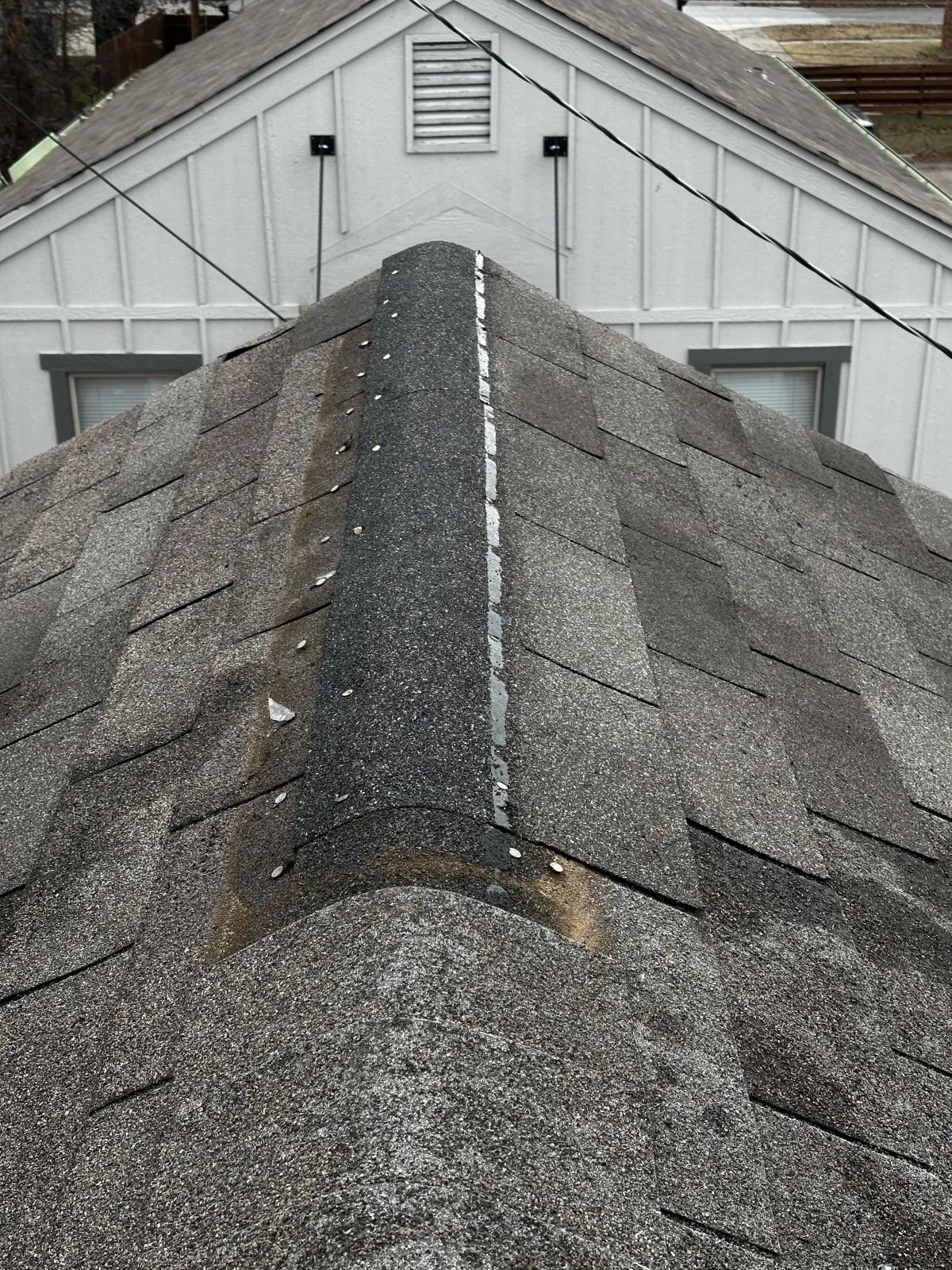
The Most Common Roof Repairs Oklahoma Homeowners Face (And What to Do About Them)
The Most Common Roof Repairs Oklahoma Homeowners Face (And What to Do About Them)
Published by Roof Repair Partners | Oklahoma's Only Repair-Focused Roofing Company
If you've owned a home in the OKC metro for more than a few years, chances are your roof has already needed some kind of attention. And that's not bad luck, it's just Oklahoma. Between the spring hailstorms, summer heat that pushes well past 100°F, late-season tornadoes, and occasional ice events that freeze everything overnight, our roofs deal with weather extremes that would stress any roofing material.
The good news is that most roof problems, even after a significant weather event, don't require a full replacement. They require a repair done correctly and done promptly. At Roof Repair Partners, repairs are the only thing we do. We've built our entire company around the idea that most Oklahoma homeowners are being oversold, that what their roof actually needs is a skilled repair, not a $15,000 tear-off.
Here's a breakdown of the most common roof repairs we see across Edmond, OKC, and the surrounding metro, along with what causes them, what to watch for, and why acting quickly matters.
1. Storm and Hail Damage
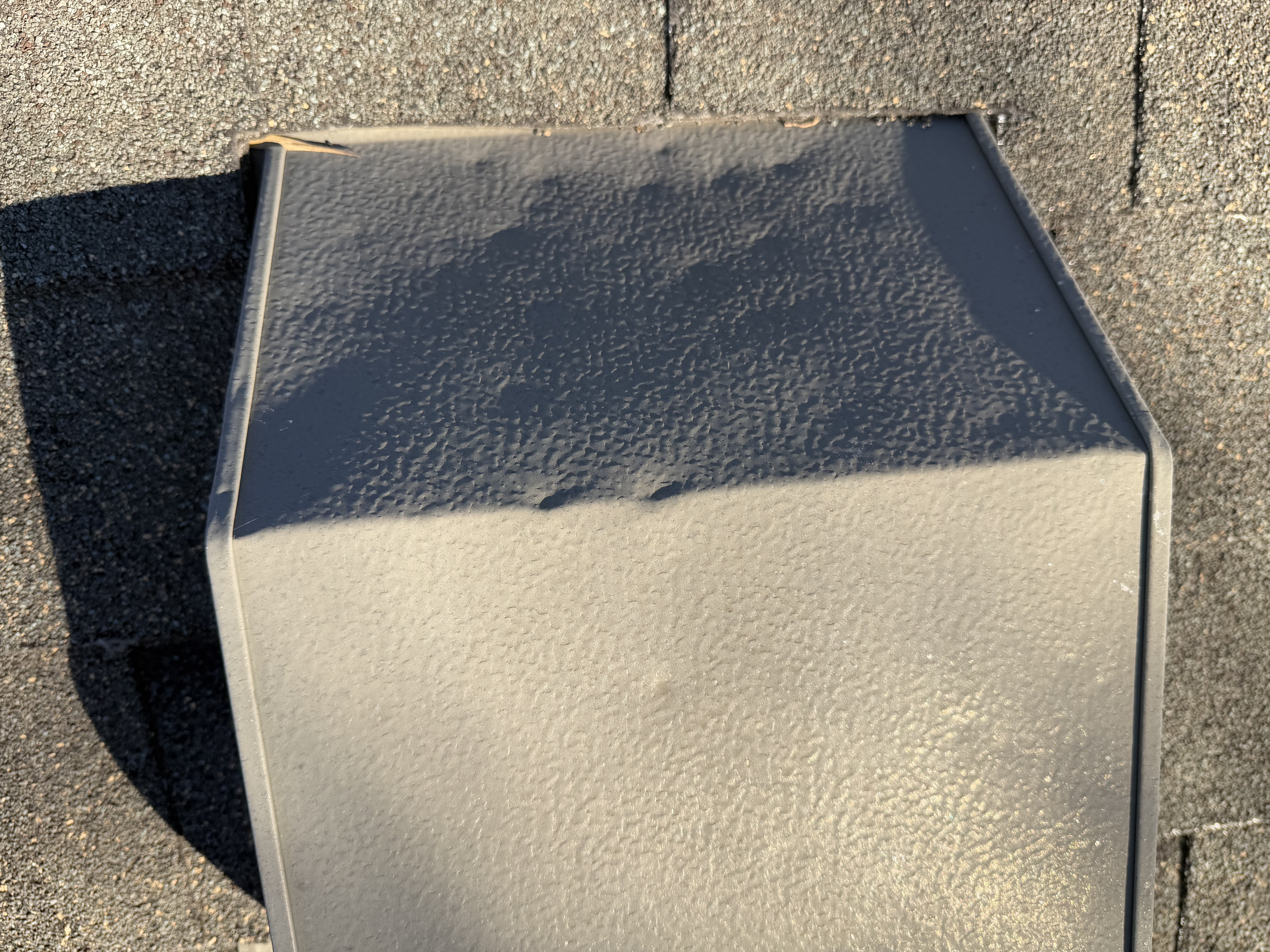
There's no getting around it, hail is the number one driver of roof damage in Oklahoma. We sit squarely in the center of hail alley, and the storms that roll through from April through June can drop golf ball-sized hail across entire neighborhoods in a matter of minutes.
Hail damage doesn't always look dramatic from the ground. What it does is knock the protective granule coating off asphalt shingles, leaving soft spots that are vulnerable to UV degradation and water infiltration. Over time — sometimes within months, those compromised shingles start to crack, curl, or fail entirely.
What to watch for after a hailstorm: granules collecting in your gutters or downspout outlets, dark circular spots or dents on your shingles (visible from the ground on some roof pitches), dented metal components like ridge vents, pipe boots, or gutters, and any new water staining on interior ceilings.
One important note: hail damage is a covered event under most Oklahoma homeowners insurance policies. But insurers typically expect you to file within a reasonable window after the storm. Waiting too long, or letting damaged shingles deteriorate further, can complicate the claims process. If there's been significant hail in your area, it's worth getting a professional inspection soon, even if you haven't noticed any active leaks yet.
2. Roof Leaks

A leak is rarely just a leak. By the time water shows up on your ceiling, it's already traveled a path, through a failed shingle, along a rafter, across insulation, before pooling somewhere visible. That journey causes damage at every step.
Leaks in Oklahoma homes most commonly originate from three sources: failed or lifted flashing around penetrations (chimneys, pipe boots, vents), shingles that have been damaged or displaced by wind or hail, and valleys where two roof planes meet and water concentrates.
The early signs are subtle: a faint water ring on the ceiling, a damp smell in a second-floor bedroom after heavy rain, or insulation in the attic that feels matted or compressed in one area. None of these seems urgent until the next storm rolls through and the situation escalates.
The repair itself is typically straightforward when the source is properly diagnosed. That's the keyword, properly. A lot of DIY attempts and even some contractor patches address the symptom rather than the source, which means the leak returns at the next rain event. We use a methodical approach to trace every leak back to its actual origin before any repair work begins.
3. Flashing Failures
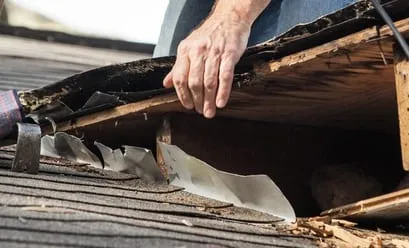
Flashing is the unsung hero of a roof system. It's the metal material, typically galvanized steel or aluminum, that seals the joints where your roof meets something else: a chimney, a plumbing vent, a skylight, a wall. Anywhere water could potentially sneak in where shingles can't provide a continuous seal, flashing is what stands in the gap.
The problem is that flashing is under constant stress. Oklahoma's temperature swings cause roofing materials to expand and contract with the seasons. That movement, over time, works flashing loose from its sealant and fasteners. Add a hailstorm or wind event to the equation, and flashing that was already marginally attached can lift completely.
Failed flashing is one of the most common sources of roof leaks we repair, and it's also one of the most under-recognized. Homeowners don't typically get on their roof and inspect their chimney flashing; they just notice a water stain near the fireplace one day and assume there's something wrong with the chimney itself.
Flashing repair or replacement is almost always a targeted, cost-effective fix. It doesn't involve replacing large sections of shingles or decking. It does, however, require the right materials and proper installation technique to hold long-term.
4. Damaged or Missing Shingles

Wind damage is the second most common insurance claim driver in Oklahoma after hail, and shingle displacement is the most visible result. A strong enough gust, and "strong enough" in Oklahoma means something different than it does in most states, can lift the edges of shingles, break the adhesive seal that holds them down, or pull them off entirely.
Missing shingles expose the roof deck directly to the elements. Even a few square feet of exposed decking can allow enough water infiltration during a storm to damage insulation, framing, and interior ceilings below. The fix is typically straightforward, replace the affected shingles, ensure the underlying deck is sound, and seal the perimeter, but the timing matters. Every rain event between the damage and the repair is an opportunity for water to get in.
Beyond storm-related displacement, shingles also deteriorate over time from UV exposure and thermal cycling. When shingles start to crack, curl at the edges, or lose significant granule coverage, they're no longer providing reliable protection. In these cases, a targeted re-shingle of the degraded area is often the right call, not a full roof tear-off.
5. Pipe Boot and Penetration Failures

Every plumbing vent that exits through your roof is sealed with a pipe boot, a rubber or metal collar that keeps water out around the penetration. Over time, particularly on roofs that have been through a few Oklahoma summers, the rubber components on these boots dry out, crack, and lose their seal.
This is one of the most underrated sources of roof leaks, and also one of the most easily fixed. A boot replacement is a relatively minor repair that takes an experienced crew less than an hour. But because the leak it causes often appears in an interior location that seems unrelated to the vent stack, sometimes in a different room entirely, since water travels, it frequently gets misdiagnosed.
If you have an unexplained ceiling stain that doesn't seem tied to any obvious roof damage, it's worth having your pipe boots checked. We see failed boots regularly on roofs that are otherwise in good shape.
6. Fascia, Soffit, and Roof Edge Damage
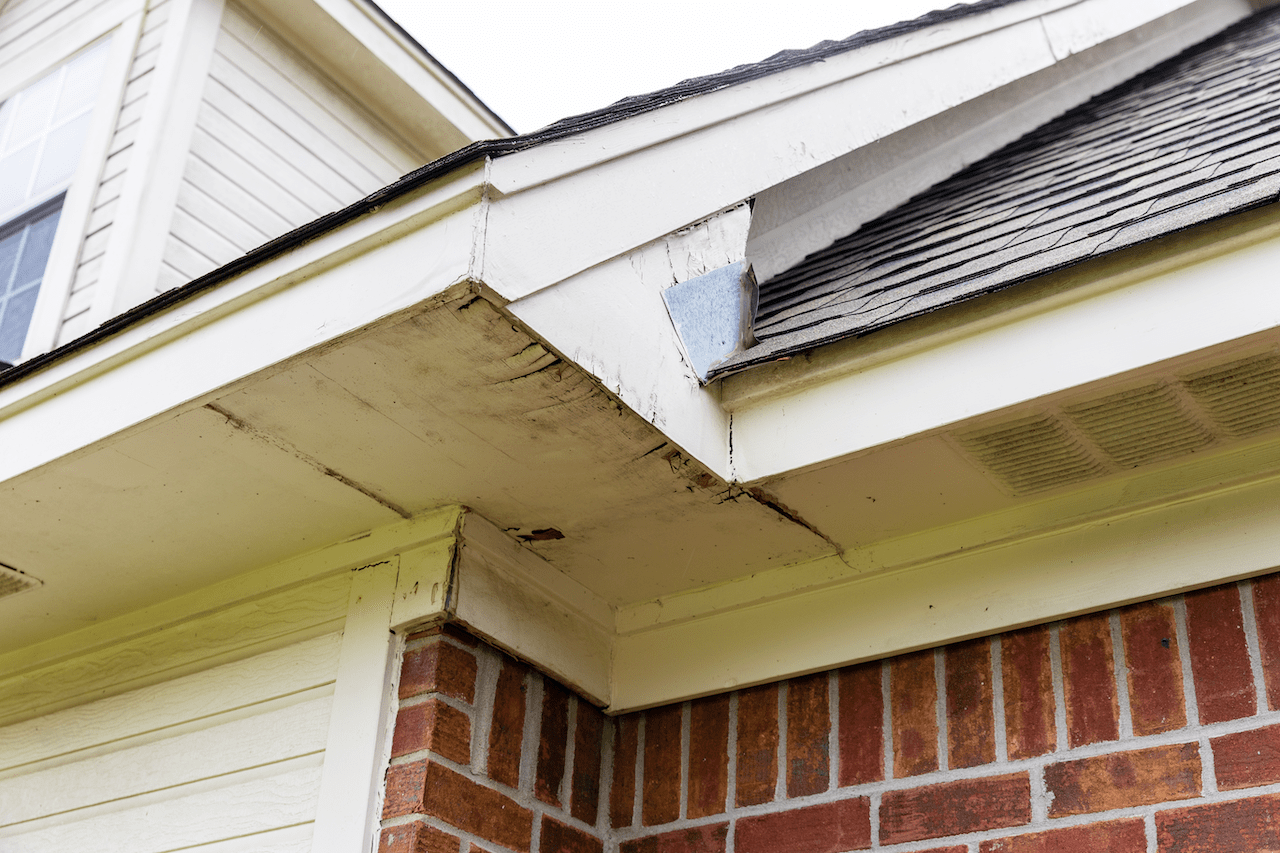
The fascia is the board that runs along the lower edge of your roof, supporting the gutters. The soffit is the underside of the roof overhang. Together, they protect the roof deck edge and provide ventilation to your attic. When they fail, usually from water infiltration that starts with overflowing or improperly pitched gutters, they can allow rot to spread into the roof structure itself.
In Oklahoma, fascia damage is often accelerated by ice events. When gutters fill with ice, the weight and expansion can pull fascia boards away from the structure and allow water to work its way behind them. By the time spring arrives, what looked like a cosmetic issue has sometimes become a rot problem in the decking.
Catching fascia and soffit damage early means a simple board replacement. Letting it go means potentially addressing structural rot in the roof edge, a more involved and expensive repair.
7. Gutters and Drainage Issues
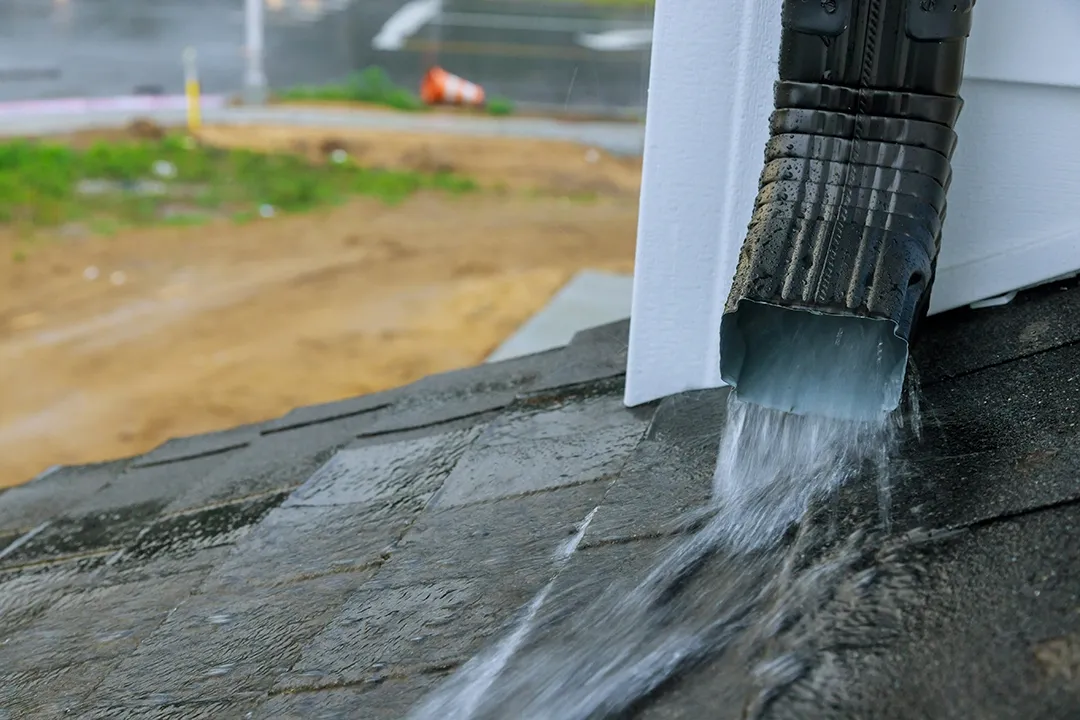
Your gutters aren't technically part of the roof, but they're directly responsible for what happens to it. A clogged gutter forces water to back up under the shingles at the eave, a condition that causes rot and, over time, active leaks. A sagging gutter that has pulled away from the fascia leaves the roofline unprotected.
In Oklahoma, gutters take a beating from debris, ice, and hail. Keeping them clear and properly attached isn't glamorous maintenance, but it's one of the most cost-effective things you can do to extend your roof's functional life. We frequently find situations where a gutter problem has been quietly causing roofline damage for a season or two by the time the homeowner realizes there's a roof repair needed.
When Does a Repair Stop Being Enough?
At Roof Repair Partners, we obviously believe in repairs, it's our entire business model. But we also believe in being straight with people. Here's the honest answer: a repair stops making sense when the damage is widespread enough that you'd essentially be re-roofing the whole surface in sections, or when the roof deck itself has been compromised by long-term water infiltration.
A good rule of thumb: if a repair would cost you more than 30% of what a full replacement would, and the roof is within 5 years of its expected end of life, a replacement conversation is worth having. For a roof that still has meaningful life left, almost any isolated damage, hail impact, wind damage, flashing failure, a few problem sections, is worth repairing.
We give every homeowner an honest assessment upfront. If your roof needs to be replaced, we'll tell you. We don't do replacements, but we have trusted contractor relationships and can point you in the right direction. What we won't do is recommend a replacement when a repair is the right answer.
What to Do After a Storm

After significant weather in the OKC metro, here's what we recommend:
Don't get on your roof yourself. Post-storm roof surfaces can be unstable, and the liability isn't worth the risk of an injury.
Document everything from the ground. If you can see obvious damage, missing shingles, displaced vents, debris on the roof, photograph it before anything is cleaned up.
Check your attic. Look for any new daylight, dampness, or discoloration in the insulation. This can help pinpoint where damage has occurred before it's visible inside the living space.
Call for a professional inspection. If there's been significant hail or wind in your area, get your roof assessed even if you don't see obvious damage. Hail impact that isn't visible from the ground can still significantly compromise your shingles.
Start your insurance claim promptly. Oklahoma homeowners' insurance covers most storm-related roof damage, but documentation and timing matter. A professional inspection report that details the damage is valuable when working with your adjuster.
How Much Does a Roof Repair Cost in Oklahoma?
Repair costs vary depending on what's actually wrong, the slope and accessibility of your roof, and the materials involved. Here are rough ranges for the most common repair types in the OKC metro:
Typical Cost Range
Shingle replacement (localized)
$250 – $700
Flashing repair or replacement
$350 – $900
Pipe boot replacement
$150 – $350 per penetration
Fascia or soffit repair
$400 – $1,200
Leak diagnosis and repair
$300 – $800
Hail damage repair (partial re-shingle)
$800 – $2,500
For storm damage covered by insurance, your out-of-pocket cost is typically limited to your deductible — assuming the damage is properly documented and the claim is filed appropriately.
The Bottom Line
Your roof is one of the most important systems in your home, and it takes more abuse in Oklahoma than almost anywhere else in the country. The good news is that most damage, even after a significant storm, is repairable. The key is acting before small problems compound into larger structural issues.
Roof Repair Partners serves homeowners throughout the OKC metro and Edmond with professional inspections and quality repairs, with no upsells and no replacement agenda. If you're seeing any of the signs described above, or you've had recent weather come through your area, reach out for an inspection. We'll tell you exactly what we're seeing and what it will take to fix it.
Roof Repair Partners — Oklahoma's Only Repair-Focused Roofing Company.
Contact us today to schedule your inspection.
Frequently Asked Questions
How do I know if my roof damage is covered by insurance?
Most storm-related damage, hail, wind, falling debris, is a covered event under standard Oklahoma homeowners insurance policies. Wear and tear or deferred maintenance typically isn't. A professional inspection with documented damage is the foundation of a strong claim.
How soon after a hailstorm should I get my roof inspected?
As soon as possible, ideally within a few weeks. Most insurance policies have a window for filing storm damage claims, and visible damage can worsen with subsequent weather. Don't wait until you see an interior leak.
Can I repair just part of my roof, or does it all need to match?
Yes, localized repairs are common and appropriate for isolated damage. We color-match shingles as closely as possible. Over time, weathering naturally blends repaired sections. The visual difference is minimal compared to the cost difference between a repair and a full replacement.
How long does a typical roof repair take?
Most repairs are completed in a few hours. More extensive repairs involving multiple sections may take two days. We give homeowners a clear timeline before any work begins.
